
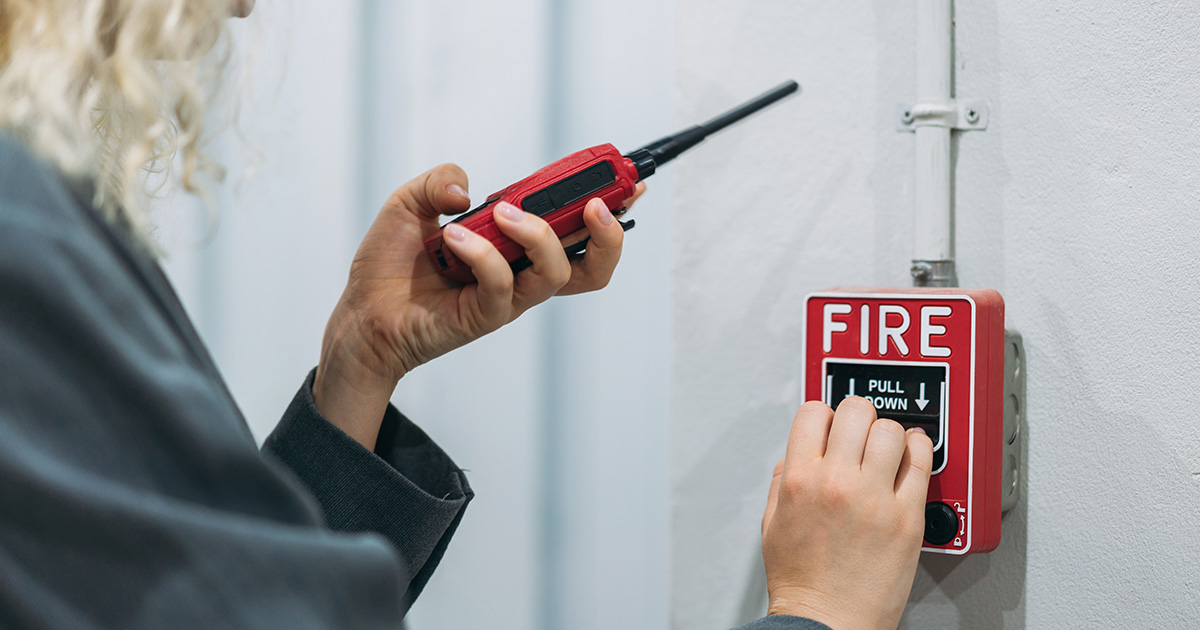
A fire alarm is one of the few systems in a commercial building that you hope to never need—but when you do, it has to work. The problem? Too many businesses assume their alarms will function in an emergency, only to find out too late that something went wrong. Fires don’t wait for maintenance schedules, and a malfunctioning system can turn a minor incident into a full-scale disaster.
Neglecting fire alarm maintenance in commercial buildings doesn’t just put lives at risk—it exposes businesses to legal trouble, insurance headaches, and costly downtime. A missed inspection or a dead backup battery could be the difference between a quick evacuation and a catastrophic loss. Fire codes exist for a reason, and keeping up with commercial fire alarm inspections isn’t just about compliance—it’s about protecting your people, your property, and your bottom line.
No one plans for a fire, but every business should plan to prevent failure when it happens. The only question is: when was the last time your fire alarm system was inspected?
How Fire Alarms Fail: Common Causes of System Malfunctions
A fire alarm system is only as reliable as its weakest component. Over time, different factors can compromise its functionality:
- Dust and debris buildup – Sensors can become clogged, reducing their ability to detect smoke.
- Power failures – Backup batteries degrade over time, leaving alarms nonfunctional during outages.
- Wiring issues – Corrosion, rodents, or accidental damage can cause electrical failures.
- False alarms – Poor maintenance can lead to frequent false alarms, causing unnecessary evacuations and business disruptions.
- Outdated equipment – Older systems may not meet current fire safety standards or integrate with modern building automation systems.
Regular commercial fire alarm inspections catch these issues before they lead to serious consequences.
Legal and Insurance Risks of Ignoring Fire Alarm Maintenance
Most commercial property owners know that fire safety regulations exist, but not everyone realizes the legal and financial risks of failing to comply.
In Canada, the National Fire Code of Canada (NFCC) requires all commercial properties to maintain working fire alarm systems and keep up-to-date records of inspections. Local municipalities enforce these codes, and failing an inspection can result in fines, legal action, or even business closure.
Insurance companies also take fire alarm maintenance seriously. In many cases, if a fire occurs and the alarm system was not properly maintained, claims can be denied. A 2021 case in Alberta saw an insurance company refuse to cover fire damages after discovering the building’s fire alarm system hadn’t been inspected in over three years.
These risks make routine fire alarm maintenance in commercial buildings a non-negotiable responsibility.
How Often Should Fire Alarms Be Inspected?
Fire alarm maintenance isn’t a one-time task—it requires ongoing attention. The recommended inspection schedule includes:
- Weekly checks – Verify indicator lights, control panels, and power sources.
- Monthly tests – Sound alarms to confirm they function correctly.
- Annual inspections – A certified technician should inspect and test all components.
Building owners should also update alarm systems during renovations or expansions. Changes to building layouts, occupancy levels, or electrical systems can impact how well fire alarms function. Consulting fire protection engineering experts during renovations can prevent compliance issues.
Hidden Costs of Neglecting Fire Alarm Maintenance
Skipping fire alarm maintenance may seem like a cost-saving decision, but it often leads to bigger expenses down the line:
- Fines and legal fees – Non-compliance penalties can add up quickly.
- Higher insurance premiums – Poor maintenance increases risk, leading to higher costs.
- Business disruptions – Frequent false alarms or system failures can halt operations.
- Equipment replacement costs – Small issues, if ignored, can lead to complete system failures, requiring costly replacements.
Regular commercial fire alarm inspections save money by preventing these unexpected costs.
Fire Safety and Renovation Projects: What Business Owners Need to Know
Fire safety is often overlooked during commercial renovations, but it plays a critical role in protecting people, property, and operations. Any time a space is reconfigured—whether through an expansion, layout change, or equipment upgrade—it’s essential to re-evaluate the fire alarm system.
One real-world example: a restaurant in Vancouver expanded its kitchen in 2023 without reworking its alarm system. A few months later, a grease fire broke out. The closest sensor wasn’t positioned to detect it quickly, delaying the response and escalating the damage.
To avoid risks like these, renovation projects should involve early input from specialists across electrical, mechanical, and structural disciplines. These consultants can assess how changes to your building’s systems or layout may affect compliance with fire safety codes and identify updates that should be made to things like alarm placement, HVAC routing, or wall construction.
While we don’t perform inspections, we work closely with renovation teams to support fire safety goals through smart system design and code-conscious consulting. That means helping you plan electrical layouts, review mechanical integration, and evaluate structural modifications with fire risk in mind.
The Role of Technology in Fire Alarm Maintenance
Advancements in fire safety technology are making maintenance easier and more effective. Modern systems now include:
- Smart monitoring – Cloud-based fire alarms send alerts directly to facility managers’ phones, reducing response times.
- Self-testing alarms – Some fire alarm systems can run self-diagnostics, detecting minor issues before they become major problems.
- Integrated fire safety systems – New alarms can connect with sprinklers, HVAC, and security systems to provide a coordinated emergency response.
Upgrading to newer systems can improve fire safety while reducing maintenance costs. For businesses looking to modernize their fire protection systems, fire safety consulting services can help streamline the process.
Fire Alarm Maintenance: The Key to Business Continuity
A fire can bring a business to a complete standstill. Even a small fire that’s quickly contained can result in weeks of downtime due to smoke damage, cleanup, and repairs. In worst-case scenarios, businesses that suffer major fire damage never reopen.
Routine fire alarm maintenance in commercial buildings helps prevent these risks by ensuring early detection and fast response. Companies that invest in fire safety maintenance are not only protecting lives but also securing their business continuity.
For business owners who want to stay ahead of fire safety requirements, this guide offers additional insights.
Protect Lives, Property, and Business Operations—Before It’s Too Late
Fires happen fast, and in a crisis, every second counts. A fire alarm system that doesn’t activate when it should isn’t just a safety failure—it’s a financial and legal nightmare waiting to happen. Regular commercial fire alarm inspections keep your business compliant, your people safe, and your operations running without costly interruptions.
Make sure your fire alarm system is up to code after renovations.
If recent changes to your building involved updates to the fire alarm, a proper verification ensures it meets current safety standards and functions the way it should. Book your fire alarm verification with MNA Engineers to stay compliant and reduce risk.