Owning property in Calgary comes with a pivotal mission—guaranteeing the safety of your tenants and investment. This involves actively engaging in fire safety maintenance, a duty that goes beyond just meeting legal requirements. It’s about making a committed pledge to safeguard both lives and investments under your supervision.
Ready to take on this challenge? Let’s examine the essential steps you need to take to ensure your property is a model of safety and fully complies with Calgary’s fire safety regulations.
Who Is Responsible For Your Property’s Fire Safety Maintenance?
Under the Safety Codes Act, being a “property owner” isn’t limited to those who hold the title. If you lease, manage, or even temporarily control a property, you’re responsible for fire safety maintenance. This means understanding the specific requirements for your property type, whether it’s a bustling office building, a cozy apartment complex, or a sprawling industrial facility.
Who Should You Call for Help With Fire Safety Systems?
When it comes to fire safety systems, don’t DIY. Hire qualified professionals for installations, inspections, and maintenance. Think of them as your fire safety dream team. Electricians, fire alarm technicians, and sprinkler system installers are just a few of the experts who can ensure your systems are up to code and ready to protect your property.
What Are The Essential Fire Safety Systems For Your Property?
Your building’s fire safety maintenance systems are your first line of defense against potential disasters. Let’s take a closer look at the key players:
Fire Alarms
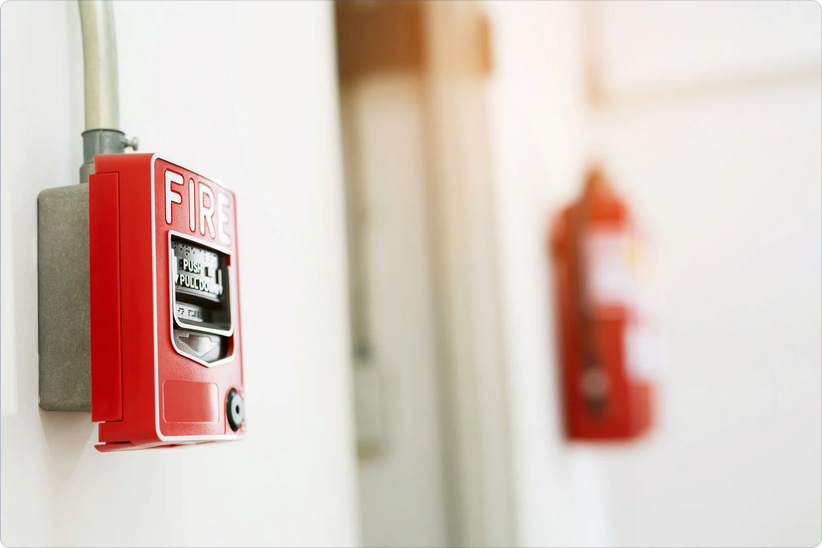
These systems are the watchdogs of your property, alerting occupants and authorities to danger. Regular inspections and testing ensure they’re always ready to sound the alarm. Daily checks for trouble indicators and monthly tests on emergency power are crucial. Annual inspections by qualified personnel are mandatory.
Emergency Lighting And Exit Signs
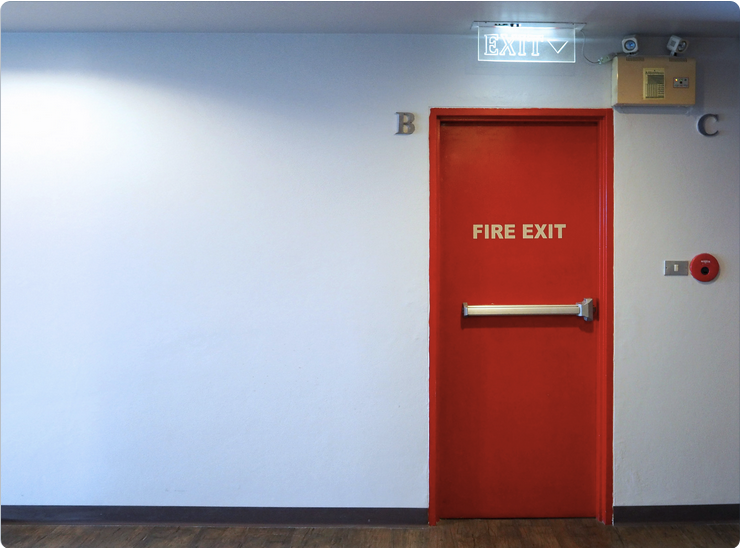
When the lights go out, these systems guide occupants to safety. Make sure they’re well-maintained and always illuminated when your building is occupied. Monthly inspections of battery backup systems and annual testing of all emergency lights and exit signs are required.
Fire Extinguishers
These trusty tools can make all the difference in the early stages of a fire. Keep them in easily accessible locations, and inspect them monthly for pressure, fullness, and physical condition. Annual maintenance by qualified personnel is a must, along with more extensive testing every few years.
Sprinkler Systems
These systems are the heavy lifters of fire protection, suppressing flames and preventing their spread. Regular inspections, testing, and maintenance are non-negotiable. Weekly, monthly, quarterly, and annual checks are required for various components, including valves, gauges, and alarms.
Emergency Generators
When the power grid fails, these generators keep essential systems running. Test them weekly or monthly, depending on your facility type, and follow a rigorous maintenance schedule.
What Additional Fire Safety Considerations Should You Keep In Mind?

Depending on your property’s unique features, you might have additional fire safety maintenance requirements such as:
Commercial Kitchens
If your property houses a restaurant or commercial kitchen, special attention must be paid to ventilation and fire suppression systems to keep grease fires at bay. Monthly, quarterly, semi-annual, and annual inspections and cleaning are required to prevent grease buildup and ensure proper functioning of fire suppression systems.
Hazardous Materials
If your property handles hazardous materials, you’ll need to take extra precautions and follow specific maintenance protocols to prevent fires and mitigate risks. Daily checks for leaks and defects in equipment like torches and regulators are essential, along with regular cleaning and maintenance of machinery and storage areas.
High-Rise Buildings
Tall structures have unique fire safety challenges. Be prepared with specialized systems, evacuation plans, and staff training to ensure the safety of all occupants. Fire drills for supervisory staff every two months and comprehensive testing of fire emergency systems every three months are just a few of the additional requirements.
How Can You Plan For The Unexpected With Emergency Preparedness?

Fire safety maintenance goes beyond equipment. It’s about being prepared for the worst.
Create a detailed fire safety plan that includes clear evacuation routes and designated meeting points.
Conduct regular fire drills to make sure everyone knows the procedure. Train your staff to use fire extinguishers and other safety equipment effectively.
Consider implementing a communication plan to quickly inform all building occupants and emergency services in case of a fire.
Remember, a well-prepared team can save lives and significantly reduce property damage.
Why Is Record Keeping Important For Fire Safety?
Keep meticulous records of all inspections, tests, and maintenance activities. Store your records securely and make sure they’re easily accessible for inspections by the Calgary Fire Department.
Detailed records help you track the performance and maintenance schedule of your fire safety equipment, ensuring everything is up to date.
In case of a fire, these records can demonstrate that you have taken all necessary precautions and complied with safety regulations, potentially protecting you from legal liability and fines.
What Happens If You Neglect Fire Safety Maintenance?
Under Section 68(1) of the Safety Codes Act, owners who fail to comply with fire safety maintenance requirements as outlined in the NFC(AE) can face fines of up to $100,000 and/or imprisonment for up to six months for a first offense. Subsequent offenses carry a maximum penalty of $500,000 and/or imprisonment for up to twelve months.
In addition to legal penalties, poor maintenance can result in more serious fire damage, injuries, loss of life, and significant uninsured costs. Regular maintenance of fire safety systems is essential to prevent equipment failure and protect people and property.
Where Can You Find Additional Support For Fire Safety Maintenance?
The City of Calgary Fire Department website is an invaluable resource for property owners seeking guidance on fire safety regulations and maintenance requirements.
In addition to the resources provided by the City of Calgary Fire Department, you can seek assistance from professional services specializing in fire protection, mechanical, electrical, and structural engineering to design, install, or maintain your building’s fire safety systems.
More Fire Safety Maintenance FAQs For Calgary Property Owners
What Records Do I Need To Keep, And For How Long?
You must keep records of all fire safety inspections, tests, and maintenance activities. These records should be kept on-site in a designated location, such as the Fire Safety Plan box or the Central Alarm and Control Facilities (CACF) room. Most records must be retained for at least two years, but some, like initial system verification reports, must be kept for the life of the system.
What Is An Integrated Systems Test (Ist), And Do I Need One?
An IST verifies that all fire protection and life safety systems in your building work together as intended. If your building was built under the National Building Code – 2023 Alberta Edition and has two or more integrated systems, an IST is required.
How Often Do I Need To Conduct Fire Drills?
The frequency of fire drills relies on the type of occupancy. For example, daycares and healthcare facilities must conduct drills monthly, while most other buildings require annual drills. High-rise buildings have additional requirements, including drills for supervisory staff every two months.
Where Can I Find More Information About Fire Safety Maintenance Requirements?
The City of Calgary Fire Department provides comprehensive resources and guidance on fire safety regulations. You can visit their website or contact them directly for more information.
Prioritize Fire Safety Maintenance

Investing in fire safety maintenance is an investment in the well-being of your property, your tenants, and your peace of mind. By taking proactive steps to prevent fires and prepare for emergencies, you’re fulfilling your legal obligations and demonstrating your commitment to the safety and security of your community. Remember, a small investment in fire safety today can save you from a much larger disaster tomorrow.
Is your building prepared for a fire emergency?
Don’t leave the safety of your property and occupants to chance. MNA Engineers specializes in fire alarm systems and fire suppression systems, ensuring your building is up to code and equipped to handle any fire hazard.
Our expertise covers everything from cutting-edge fire alarm technology to tailored fire suppression solutions for your unique property. Contact us today to fortify your fire safety strategy and safeguard your investment.