
Fire protection is not just a technical requirement; it’s the backbone of safe occupancy in any building. When a new commercial development in Calgary prepared for its occupancy permit, one critical step stood between completion and opening day: the verification of fire alarm systems. This process, mandated by code and enforced by municipal authorities, confirms that every device functions as intended and that safety standards are fully met.
Without it, a building cannot lawfully open its doors to tenants or the public. With it, owners gain assurance that the system designed to protect lives is functioning as it should. This case study outlines how proper verification safeguarded both compliance and peace of mind for a Calgary commercial property.
Project Overview
Any building classification that requires a fire alarm system (FAS) must undergo formal verification. For this Calgary project, the client’s primary goal was straightforward: secure an engineer’s certificate witnessed by MNA Engineers, then submit it to the Authority Having Jurisdiction (AHJ), in this case, the municipal government, to obtain the occupancy permit.
For property owners and developers, the importance of this step cannot be overstated. The engineer’s certificate is the final assurance that the building is not only compliant with the National Building Code and municipal standards, but also safe for every person who steps inside. It’s the ultimate measure of both legal responsibility and duty of care.
The Challenge
Verification is not a one-time consideration. Several scenarios trigger the need:
- New buildings with a brand-new fire alarm system.
- Existing buildings where a new FAS has been installed.
- Renovations or changes of use/classification that affect the fire alarm system.
In this project, the challenge was ensuring that every modification and installation aligned with the Canadian Building Code and Alberta requirements. Renovations often introduce complexity: new layouts, additional devices, and system adjustments can alter how alarms communicate. Without fresh verification, these changes could reduce safety or even make the system non-compliant.
As the National Research Council Canada emphasizes, adherence to fire codes is not optional. Municipal AHJs require certified verification before granting occupancy permits.
Approach: How MNA Executes Verification

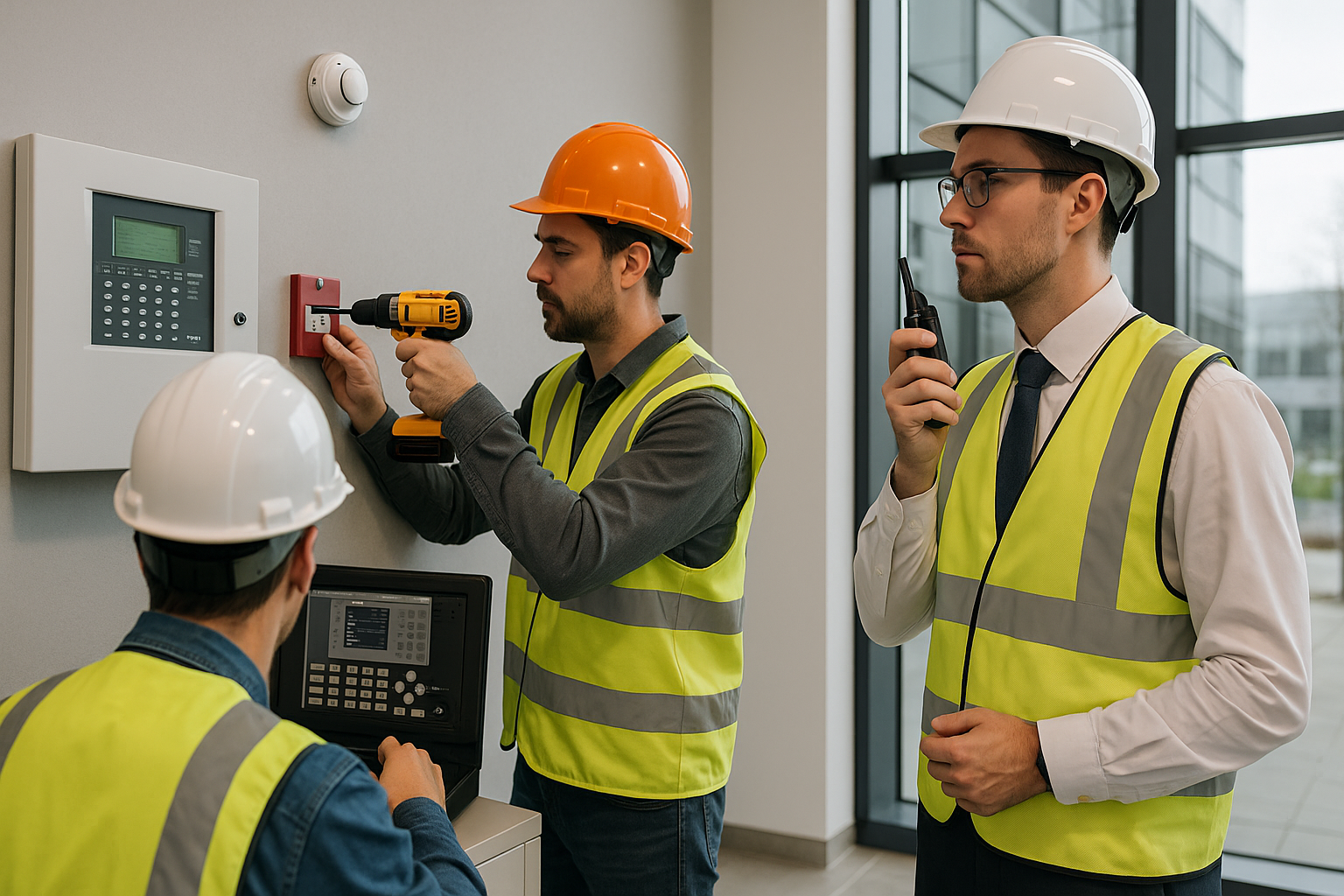
MNA Engineers’s role was to witness and validate the process as Professional Engineers. This was not about passively observing; it was about confirming that every device, connection, and response functioned according to the CAN/ULC-S537 standard, which governs the verification of fire alarm systems in Canada.
Here’s how the procedure unfolded:
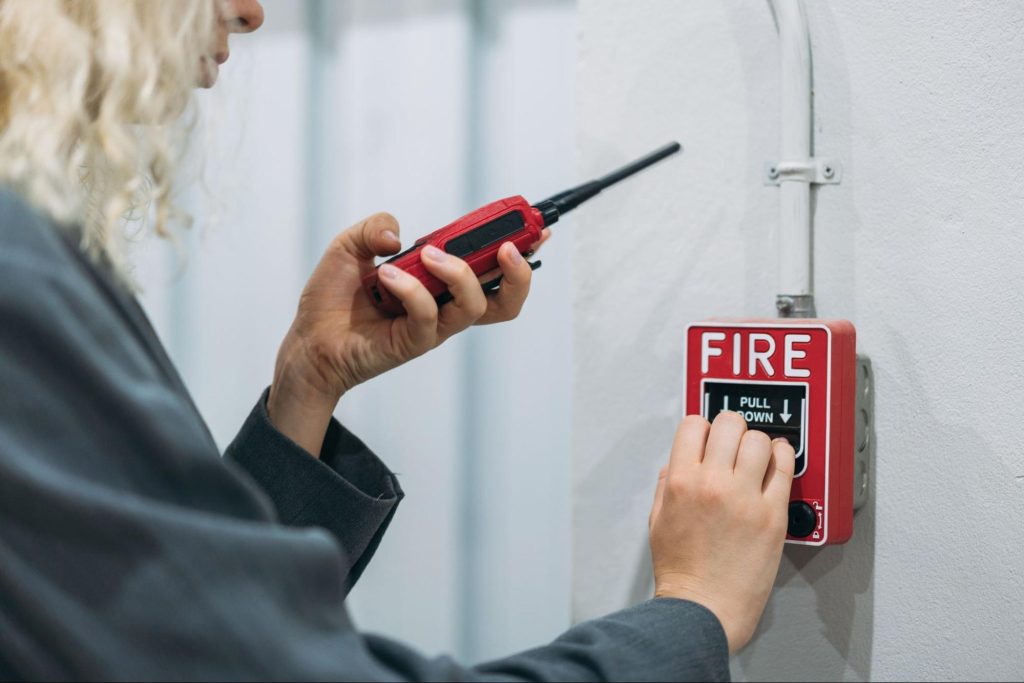
- Simulating real-world conditions: Electricians introduced disturbances such as shorting wires, grounding circuits, or opening connections. Each action represented a possible emergency scenario.
- Fire Alarm Control Panel (FACP) confirmation: A technician at the control panel confirmed that each disturbance triggered the correct indicator.
- Device-by-device verification: This routine was performed for every device or panel that had been installed or modified.
- Standards compliance: CAN/ULC-S537 was followed meticulously, ensuring not just technical accuracy but legal compliance.
This approach transformed what could feel like a technical checkbox into a powerful validation: the system designed to protect occupants was tested under stress and proven to respond exactly as intended.
Results
At the end of the process, MNA Engineers issued a certificate of fire alarm verification. For the client, this document represented more than just paperwork:
- It confirmed that the fire alarm system had been installed and tested correctly.
- It validated compliance with Canadian safety standards.
- It allowed submission to the AHJ, which in turn granted the occupancy permit.
The outcome was clear: the building could open its doors on schedule, with confidence in its safety systems and peace of mind for owners, tenants, and the public.
Lessons & Key Takeaways
One of the most important lessons from this case study is that any change to a fire alarm system alters the safety baseline of a building. Renovations, reclassifications, or upgrades are not simply cosmetic or functional; they impact how people are protected in an emergency.
Key insights include:
- Re-verification is essential. Renovations that affect FAS must be re-verified by a Professional Engineer.
- Skipping this step is dangerous. Omitting re-verification not only endangers occupants but may also be unlawful.
- Engineers add accountability. Professional oversight ensures compliance and protects owners from liability.
As Andrew, Principal Engineer at MNA Engineers, explains:
“Any changes to the fire alarm system due to renovation will essentially change the safety of the occupants. These changes must be confirmed and re-verified by a Professional Engineer. Omitting that involvement risks safety, and in most cases, it’s unlawful.”
Broader Context: Fire Alarm Verification Across Alberta
This Calgary case reflects a process that is consistent with national safety codes, but Alberta goes a step further. While the CAN/ULC-S537 standard applies across Canada, Alberta requires that a Professional Engineer or their representative witness the verification process. In many other provinces, this step is not mandatory.
For building owners, developers, and contractors in Alberta, this adds an extra layer of assurance: every verification is not only compliant with the Building Code but also independently confirmed by an engineer. This higher bar reinforces Alberta’s commitment to occupant safety and risk reduction, setting a strong example for how life-safety systems can be managed.
Linking Verification to Broader Safety Strategies
Fire alarm verification is one layer of a broader safety framework. Owners should view it as part of an integrated approach:
- Construction phase safety: Guidance from our fire safety blog for construction sites shows how to mitigate risks before systems are even installed.
- Institutional settings: Fire safety in schools highlights how tailored safety strategies protect vulnerable populations.
- Future renovations: Planning a commercial renovation in 2025 demonstrates how proactive planning can align renovations with both safety and efficiency incentives.
Each of these areas connects to verification: without validated systems, broader safety strategies lose their foundation.
Connecting to MNA’s Services
MNA Engineers integrates fire alarm verification with its full suite of engineering consulting services. Clients benefit from:
- Fire Protection Engineering: Design, verification, and system review for fire protection.
- Engineering Consulting Services: Mechanical, electrical, and structural expertise supporting every stage of a project.
- Bids and Tenders: Support in preparing bids that meet safety and compliance requirements.
- Our Projects: Real examples demonstrating MNA’s engineering approach in action.
By combining technical precision with strategic guidance, MNA helps clients reduce risk, meet legal standards, and achieve timely project completion.
What is CAN/ULC-S537?
The CAN/ULC-S537 is the Canadian Standard for the Verification of Fire Alarm Systems. It sets out the exact procedures and requirements for ensuring that new or modified fire alarm systems work as intended. It is referenced in the National Building Code of Canada and enforced by municipal authorities across provinces.
For owners and contractors, compliance with CAN/ULC-S537 is not optional. Without meeting this standard, occupancy permits cannot be granted.
Building Safety Starts with Verification
Fire alarm verification is not just a regulatory step; it is the assurance that every occupant in a building can rely on life-safety systems to work when it matters most. In Calgary, MNA Engineers’s role in witnessing and certifying verification made the difference between a project on hold and a building safely opening its doors.
For building owners, developers, and contractors, the lesson is simple: compliance, safety, and peace of mind all hinge on proper verification by Professional Engineers.
Next step: Contact MNA Engineers to confirm your fire alarm system compliance or schedule verification before your next occupancy permit application.