

The electrical engineering landscape is evolving rapidly. As a property owner or builder, you know that staying ahead of the curve is key to delivering projects that are not only up-to-date but future-ready. Let’s explore some emerging trends in electrical engineering that will shape your projects and the future of the built environment.
Wireless Power Transfer

Imagine charging your devices without the hassle of cords or plugs. Wireless power transfer (WPT), a rapidly growing development among the latest trends in electrical engineering, is making this a reality.
WPT, or wireless energy transfer, allows the transmission of electrical energy from a power source to a receiver without interconnecting wires.
Using time-varying electromagnetic fields, WPT systems enable contactless charging, powering devices seamlessly through materials like plastic, granite, wood, and even the air.
Innovative Uses:
- Smart Homes: Powering devices such as lighting, climate control, and security systems.
- Automotive: Enabling contactless charging for electric vehicles.
- Industrial: Powering machinery and equipment, increasing safety by reducing wires and cables.
- Wearables: Charging fitness trackers, smartwatches, and medical devices.
- Remote Areas: Providing energy where grid connections are complex.
Wearable Tech
Wearable technology has transformed our interactions with devices, and its continual innovations maintain its position at the forefront of electrical engineering trends.
From heart monitors to smart clothing, wearable tech provides more than convenience—it can save lives and prevent workplace injuries.
Innovative Uses:
- Health Monitoring: Devices like SolePower boots monitor real-time location, environmental conditions, and fatigue to enhance workplace safety.
- Smart Clothing: Brands like Sensoria and Spire Health integrate sensors into the fabric to track physiological signals and send health statistics to medical professionals.
- Location Tracking: Helping wearers find help when lost or in danger and detecting injuries or falls.
Electric Power Distribution And Supply
The traditional reliance on localized power companies is shifting towards more efficient power generation methods like smart grids and microgrids.
These systems enhance the reliability and sustainability of electricity supply, revolutionizing power distribution and representing significant trends in electrical engineering.
Smart Grids
Smart grids utilize digital technology to manage electricity flow, enabling two-way communication between utilities and consumers, leading to improved electricity delivery management, integration of renewable energy sources, and better response to changing demands.
Microgrids
Microgrids are self-contained power sources providing local power tailored to specific needs. They offer reliability, cost-effectiveness, sustainability, efficiency, and scalability, making them ideal for various environments, including campuses, communities, and remote areas.
Electric Vehicles
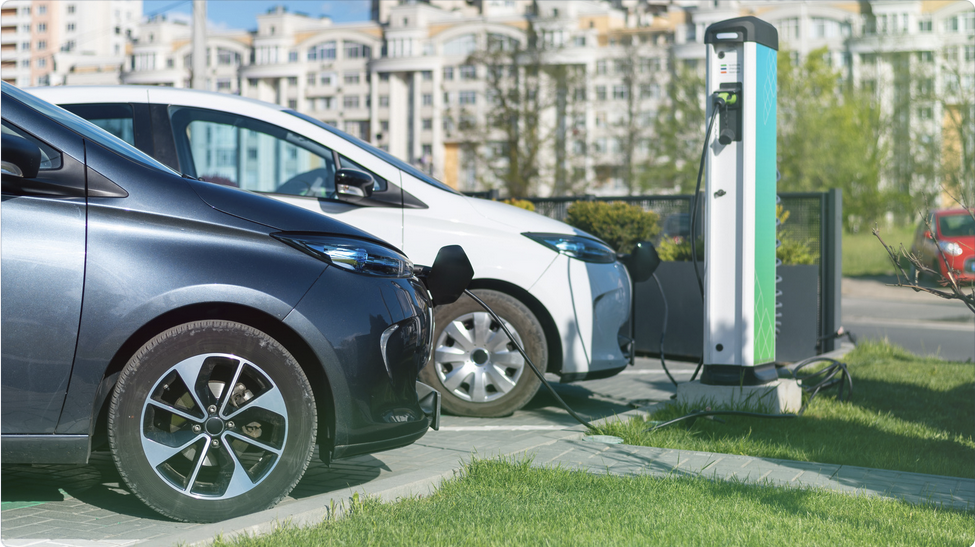
Electric vehicles (EVs) have evolved from a novel concept to a rapidly growing trend in the field of electrical engineering. With ambitious targets set by global governments for EV adoption, the demand for innovative electric vehicle technology continues to soar.
Types of EVs:
- All-Electric Vehicles: Operate entirely on battery power.
- Plug-In Hybrid Electric Vehicles: Use both gasoline and battery power.
- Hybrid Electric Vehicles: Run on gasoline but use an electric motor to reduce fuel consumption.
Innovation Potential
The growing demand for EVs will lead to further advancements.
This trend presents significant opportunities for investment and innovation in the field of electrical engineering.
The Internet of Things (IoT)
The Internet of Things (IoT) allows devices to connect, communicate, and exchange data with one another. IoT’s vast potential for innovation makes it a critical trend in electrical engineering.
The transition from 4G to 5G networks exemplifies IoT’s potential, offering faster speeds, greater bandwidth, and lower latency. This upgrade facilitates more connected devices and advanced applications, such as augmented and virtual reality.
Innovative Uses:
- Smart Homes: Integrating devices for automated control and monitoring.
- Smart Cities: Enhancing urban infrastructure with connected technologies.
- Industrial Automation: Improving efficiency and reducing downtime in manufacturing.
- Smart Meters and Energy Storage: Enabling precise energy management and storage solutions.
Artificial Intelligence (AI)
AI continues to transform various industries, including electrical engineering. Engineers must stay abreast of AI advancements to leverage its potential for innovation. AI technologies, such as machine learning algorithms and neural networks, optimize processes and enable advanced automation.
Innovative Uses:
- Robotics: Enhancing automation and human-robot collaboration.
- Data Analytics: Providing insights and improving decision-making.
- Healthcare: Enabling advanced diagnostics and treatment strategies.
Autonomous Vehicles
The development of autonomous vehicles integrates AI, sensor technologies, and machine learning, transforming traditional transportation models. Engineers must track these advancements to contribute to and navigate the evolving landscape of autonomous vehicles.
Challenges:
- Safety: Ensuring reliable and safe operation.
- Cybersecurity: Protecting against potential threats.
- Infrastructure: Adapting existing infrastructure to support autonomous vehicles.
Industrial IoT (IIoT)
The Industrial Internet of Things (IIoT) reshapes industrial processes by enhancing connectivity and smart technologies. Engineers must harness IIoT to improve efficiency, reduce downtime, and leverage real-time data analytics for optimization.
Innovative Uses:
- Smart Factories: Implementing automation and real-time monitoring.
- Predictive Maintenance: Reducing downtime through early detection of issues.
- Supply Chain Management: Enhancing logistics and inventory management.
Cybersecurity
As digital systems become more integrated, cybersecurity is paramount. Engineers must stay updated on the latest cybersecurity measures to protect against evolving threats. Ironclad cybersecurity practices are essential to safeguard the integrity of technological advancements.
Challenges:
- IoT Security: Protecting connected devices from vulnerabilities.
- Data Privacy: Guaranteeing the safety of confidential data.
- Resilience: Implementing resilient systems to withstand cyber attacks.
What These Innovations Mean For Your Future Projects
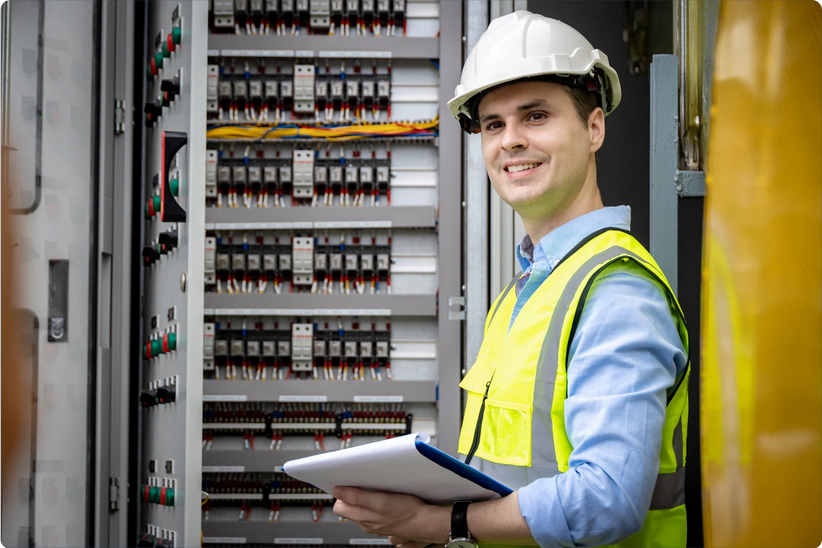
These trends in electrical engineering offer exciting opportunities to transform how we design, build, and interact with our environments.
Smart grids and microgrids promise more resilient and sustainable power systems, while the rise of electric vehicles necessitates the development of robust charging infrastructure.
Integrating IoT into building systems offers unprecedented control and efficiency, while energy harvesting contributes to a greener future.
As you plan your next project, consider how these trends in electrical engineering can be integrated to enhance efficiency, sustainability, and safety. To navigate the complexities of these advancements, consulting with experts in electrical engineering, mechanical engineering, or structural engineering can be invaluable.
They can provide the expertise and guidance needed to ensure your projects are not only up-to-date but also future-proofed for the ever-evolving technological landscape.
Embrace The Electrifying Future
The future of electrical engineering is bright, fueled by innovation, and driven by the need for more sustainable and efficient technologies.
Staying informed about these trends in electrical engineering is not just a choice but a necessity for professionals and property owners seeking to remain competitive.
By understanding and embracing these advancements, developers, engineers, and property owners can play a key role in shaping the future, creating solutions that will power our homes, industries, and cities in a more connected and sustainable way.
Harness The Power Of Tomorrow’s Tech
MNA Engineers is your partner in navigating the ever-evolving landscape of electrical engineering. We specialize in integrating the latest trends, ensuring your projects are not only innovative and efficient, but also set the standard for safety.
Let’s build the future together. Contact us today and discover how we can electrify your next project.